West Virginia Off-Road Electric Dirt Bike Trails: Hatfield-McCoy & Beyond
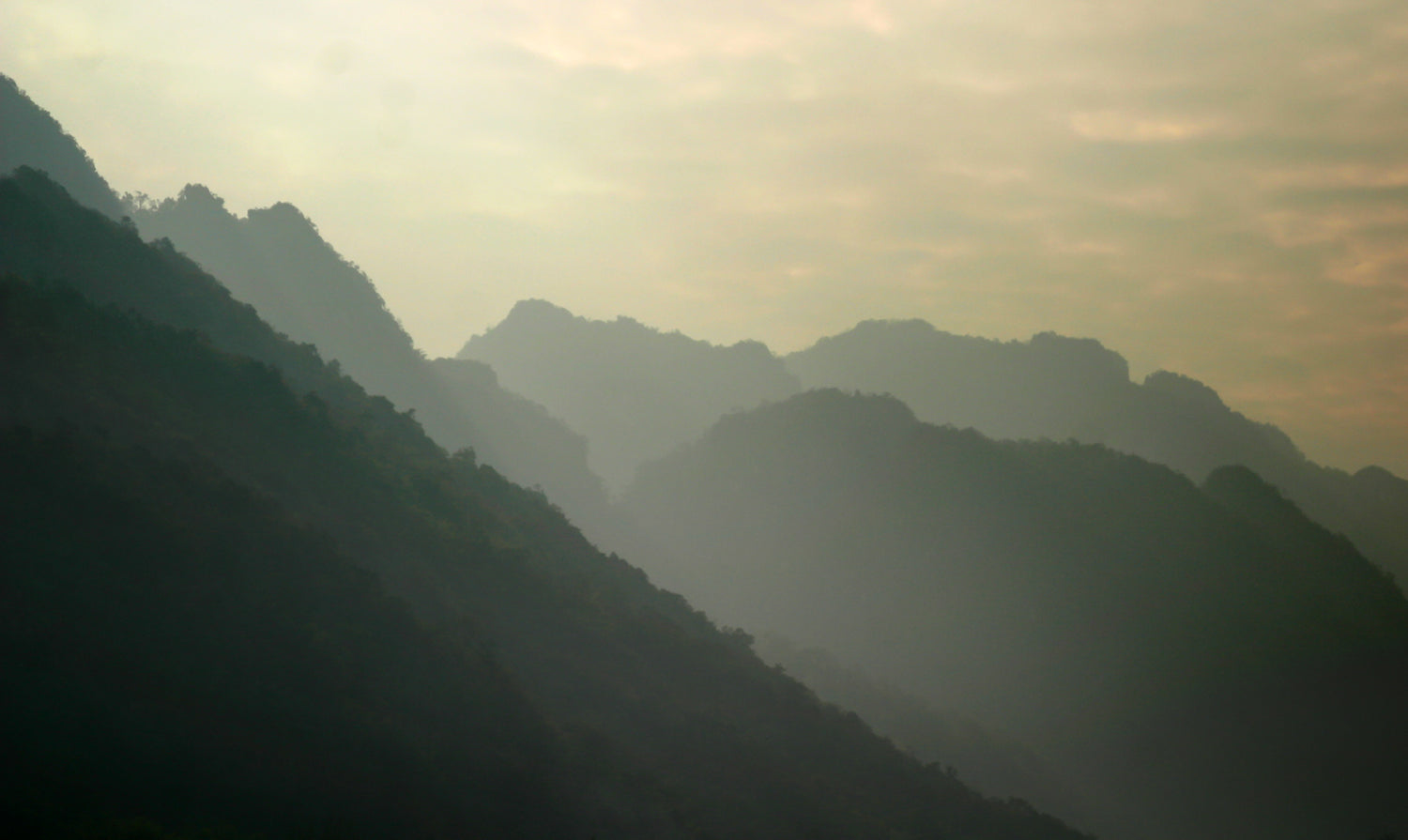
West Virginia's Hatfield-McCoy Trail System stacks more than 1,200 miles of marked OHV route across 13 connected systems in the state's southern coalfields — the largest off-highway network east of the Mississippi and the single best reason to haul an off-road electric dirt bike into the Appalachians. Built on former mining and logging corridors, the system is professionally mapped, color-coded, and open every day of the year. For riders coming from the flat states or the crowded West Coast dunes, the draw is simple: steep ridgelines, creek crossings, and hundreds of miles you can ride without repeating a line.
Why West Virginia Owns Eastern Off-Road Riding
The numbers are not marketing fluff. Hatfield-McCoy opened in October 2000 with about 300 miles and has grown to over 1,200 miles spanning nine counties, all under one permit (Hatfield-McCoy Trails, 2026 permit announcement). Because the routes follow old haul roads and hollow-bottom paths, the terrain is genuine Appalachian mountain character: switchback climbs, narrow ridge-top lines, water crossings, and the occasional mine-era structure that gives the coalfields their backdrop.
For context on where these machines sit in the wider world: PeopleForBikes defines Class 1, 2, and 3 electric bicycles as capped at 750 watts and 28 mph — a category that does not include high-power off-road electric bikes, which is exactly why designated OHV networks like Hatfield-McCoy exist (PeopleForBikes: Electric Bikes). Riders who want throttle-controlled, fat-tire, two-wheel power belong on private land, OHV parks, and closed courses — not on shared paths.
Hatfield-McCoy Trail Systems — The Core Ride
One User Permit unlocks all 13 systems, and each has its own personality. The table below lists the staging towns, terrain character, and difficulty spread so you can pick a basecamp before you trailer up.
| System | Staging Town(s) | Character | Difficulty |
|---|---|---|---|
| Rockhouse | Man, Gilbert | 100+ miles, waterfalls, widest lodging selection, extreme options | Easy – Extreme |
| Bearwallow | Logan | One of the original three; rough, rocky, single-track; only system open to ORVs too | Easy – Most Difficult |
| Buffalo Mountain | Williamson (Matewan, Delbarton) | Most historic; the most single-track; three town connectors | Easy – Difficult |
| Pocahontas | Coaldale / Bramwell | Links Indian Ridge + Pinnacle Creek for 400+ continuous miles | Easy – Difficult |
| Indian Ridge | Ashland (McDowell Co.) | Remote, wooded, beginner-to-intermediate | Easy – Intermediate |
| Pinnacle Creek | Pineville, Mullens | Scenic; neighbors Twin Falls State Park and whitewater | Easy – Difficult |
| Devil Anse | Matewan | Links Rockhouse + Buffalo Mountain = 300+ miles; trail-to-town access | Easy – Difficult |
| Warrior | War (Gary) | Newest system; scenic; southernmost | Easy – Difficult |
| Cabwaylingo | Wayne County (state forest) | ~100 miles; first H-M system inside a state forest | Easy – Difficult |
Trails are signed green (easiest), blue (more difficult), black (most difficult), and black-red (extreme). Two clusters matter most for multi-day planning: Devil Anse + Rockhouse + Buffalo Mountain chain into 300+ connected miles, while Pocahontas + Indian Ridge + Pinnacle Creek deliver 400+ continuous miles east of the Mississippi.
Best Systems for Two-Wheel Off-Road Electric Dirt Bikes
We recommend Buffalo Mountain and Bearwallow first for riders on two wheels. Buffalo Mountain carries the densest single-track and the tightest dirt-bike lines, and its three community connectors put fuel, food, and lodging within riding distance. Bearwallow is the only system that also admits ORVs, so its wider connector routes give you room to warm up before the black-rated ridge spurs.
Skip the wide UTV-gated connector routes if you are on an electric dirt bike and want to actually move — the narrow single-track spurs are where these machines shine, and where the instant torque of a hub or mid-drive motor makes the climbs feel short. On a 1,200-mile network, battery planning beats raw range: stage at an ATV-friendly town (Gilbert, Man, Matewan, Williamson, or Delbarton) with charging, and plan your loop inside your real range rather than the marketing maximum.
Beyond Hatfield-McCoy — Other WV OHV Parks
Hatfield-McCoy is the headline, but West Virginia has more. These are worth a day or two if you want variety:
- Burning Rock Off-Road Park — 10,000 acres with 100+ miles of trail, 15 minutes from Beckley (West Virginia Tourism).
- New River ATV — 100+ miles in the New River Gorge region, beginner to expert, with whitewater rafting next door.
- Mountwood Park — about 20 miles of trail in the Mid-Ohio Valley, plus camping cabins.
- Chaos Off-Road Park — 400 acres near Capon Bridge, mild-to-wild.
- The Greenbrier — an 11,000-acre private resort at White Sulphur Springs with guided off-road tours.
- Monongahela National Forest — 919,000 acres with designated OHV access in the Cranberry Back Country and forest routes; best May through October.
Permits & Practical Rules
Hatfield-McCoy runs on private land under its own User Permit, bought through the official site (TrailsHeaven.com). As of the 2026 season, the fee moved from $50 to $65 for non-residents, while the WV resident rate stays at $26.50 (WV Press Association, Oct 31 2025). The permit must be displayed on your helmet while riding, and one permit covers all 13 systems.
Machines allowed are ATVs, UTVs, dirt bikes, and ORVs — so a fat-tire off-road electric dirt bike is welcome, provided you stay on the designated route and follow the posted rating. Trails are open 365 days a year.
When to Ride
The system is open every day, but the prime window is April through November. Clay-based coalfield sections get muddy in winter and early spring, so plan lower-elevation loops then. The Monongahela highland terrain is best from May to October. If you go in winter, stick to the lower trails and expect snow or sloppy mud on any given day.
Matching the Terrain to Your Machine
Appalachian climbs are short but steep, and the relief between hollow floor and ridgeline is real. Our stance: for the big climbs and two-up-friendly range, a dual-motor machine earns its weight. The EDIKANI ED-SN01 6000W peak dual-motor off-road electric dirt bike puts out up to 51 mph with a 32Ah / 1664Wh pack and 45–65 miles of throttle range — the tool for sustained ridge work. The EDIKANI TOP-S80 3000W peak off-road electric dirt bike lands between, with 90 N·m of torque and 26" x 4" fat tires for traction on loose climbs.
For tight single-track, go lighter. The EDIKANI STK-01 electric dirt bike is 3000W peak, 35 mph, and a manageable 124 lb with 14"+12" wheels and full suspension — easier to flick through rocky lines than a heavy dual-motor rig. The compact EDIKANI T300 off-road electric dirt bike (2000W peak, 31 mph, 23Ah / 1104Wh, throttle 25–35 mi) is the budget play, and the EDIKANI ED-S01 1500W peak off-road electric bike carries a 330 lb payload for riders who want a lighter, more agile frame.
Our recommendation: pair a long-range dual-motor bike for the big systems with a lighter machine for the technical single-track, and always check your battery before leaving the staging area — a 13-system network will outlast any single charge if you wander.
Plan Your Trip
Basecamp in an ATV-friendly community so you can ride from trail to town for fuel, food, and lodging: Gilbert, Man, Matewan, Delbarton, and Williamson all sit on or next to the route. Chief Logan State Park is within an hour of six trailheads; Twin Falls Resort is 15 miles from Pinnacle Creek; Cabwaylingo State Forest has cabins on its own trail. Download the onX Offroad app for offline GPS — the network is mapped, but cell service in the hollows is unreliable. Full model specs and the whole lineup are on the EDIKANI off-road collection, and hands-on impressions live in our model reviews.
Frequently Asked Questions
Where are EDIKANI dirt bikes designed to be ridden?
EDIKANI off-road electric bikes and electric dirt bikes are designed for trails, off-road parks, and private property. Always check and follow your state and local laws before riding.
How many miles of trail does the Hatfield-McCoy system have?
Over 1,200 miles across 13 connected systems in nine southern West Virginia counties, all accessible with one User Permit. The network opened in 2000 with about 300 miles and has expanded steadily since.
Do I need a permit to ride Hatfield-McCoy?
Yes. A Hatfield-McCoy User Permit is required and must be displayed on your helmet while riding. For the 2026 season the non-resident fee is $65 (up from $50) and the West Virginia resident fee is $26.50. One permit covers every system.
Are dirt bikes allowed on Hatfield-McCoy trails?
Yes. The system is built for ATVs, UTVs, dirt bikes, and ORVs. Two-wheel riders get the best experience on single-track-heavy systems like Buffalo Mountain and Bearwallow, while the wide connector routes favor larger UTVs.
What is the best time of year to ride in West Virginia?
The trails are open 365 days, with April through November as the prime window. Winter riding is possible on lower-elevation loops, though clay sections get muddy; the Monongahela highland routes are best from May to October.
How should I plan battery range on a large OHV network?
Plan each loop inside your real throttle range, not the marketing maximum, and stage at an ATV-friendly town with charging. A long-range dual-motor machine like the ED-SN01 covers more ground between charges, while a lighter bike such as the STK-01 is easier to manage on technical single-track where you stop and restart often.
Ready to Ride West Virginia?
West Virginia turns abandoned coal corridors into the East's deepest off-road playground, and a fat-tire off-road electric dirt bike is the right tool for its ridges and hollows. Start with the full EDIKANI lineup, read our model reviews, and compare routes in our other guides — the South Dakota Black Hills guide, the Washington trail guide, and our explainer on where high-power off-road electric bikes are legal. Always check and follow your state and local laws before riding.