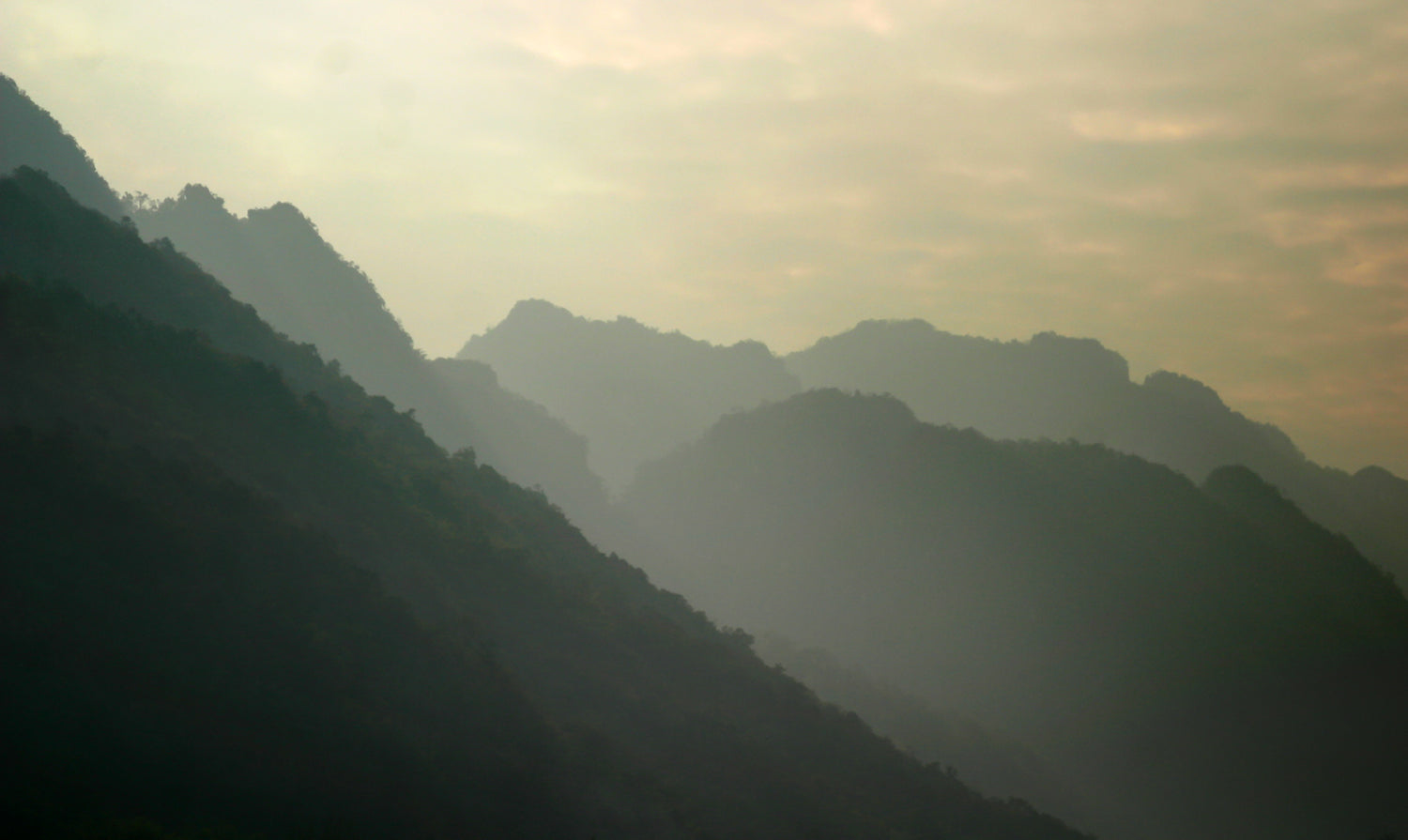
Oregon Dunes — The Best Sand Riding in the Country
The Oregon Dunes National Recreation Area, stretching roughly 40 miles along the Oregon coast between Coos Bay and Florence, is the premier fat tire sand riding destination in North America. The dunes reach heights of over 500 feet in places, and the sand is fine, deep, and consistent — exactly the conditions where a 26-inch by 4.0-inch fat tire setup pays off.
The area is managed by the Siuslaw National Forest, and designated sand routes are open to street-legal e-bikes. Most riders run the Tahkenitch Dunes, Eel Creek, and Inman Sand Dunes areas. The moderate coastal climate means these trails are rideable year-round, though the sand firms up best in late summer and early fall after the moisture dries out.
What you need here: A dual motor setup handles deep sand climbs far better than a single motor. The ED-SN01’s 3000W sustained dual motor output gives you the torque needed to power up soft inclines without spinning out. Low tire pressure — around 8-12 psi — is critical for sand floatation.
Logistics: The Oregon Dunes Visitor Center in Reedsport has the latest conditions and maps. Several outfitters in the area offer shuttle services if you want to access more remote sections.
Anza-Borrego Desert State Park, California
Anza-Borrego, California’s largest state park, covers roughly 600,000 acres of Sonoran Desert east of San Diego. The terrain is a mix of sandy washes, rocky desert floors, and seasonal wildflower fields. It is one of the few places in the country where you can ride for 30 miles and see almost nobody else.
The Borrego Palm Canyon Trail leads to a palm oasis and is a popular route, though the real riding is in the wider washes of the Yaqui Well area and the southern sections near Font’s Point. BLM land surrounds much of the state park, giving you access to additional wash systems that connect across property boundaries.
Winter months — November through March — are the best time to ride here. Summer temperatures routinely exceed 110°F, making desert riding dangerous outside of the cooler season.
What you need here: Range is a real concern in remote desert terrain. Anza-Borrego has almost no charging infrastructure beyond the visitor center. The ED-S01’s 48V battery with its estimated 40-60 mile range on pedal assist gives you enough buffer to explore without anxiety. Carry a backup battery if you plan full-day loops.
A note on permits: Some washes require a National Park Service access pass for the portions that border the park. Most BLM wash riding does not require a permit, but check conditions at the visitor center before heading out.
Crested Butte, Colorado — Mountain Riding at Altitude
Crested Butte, Colorado, has long been one of the country’s premier mountain biking towns. What many riders do not realize is that the surrounding Gunnison Country offers hundreds of miles of gravel roads and doubletrack that are open to e-bikes — and many of them sit above 9,000 feet, where regular mountain bikes struggle and fat tire e-bikes thrive.
The 401 Trail near Crested Butte is one of the most celebrated routes in the area — a 14-mile loop through wildflower meadows with sustained elevation gain. The Huff Creek and Brush Creek ranch roads give you long, quiet stretches with mountain views on all sides.
During summer months, the high-altitude routes above treeline are snow-free from late June through mid-September. Below that, the Lower Loop and Snodgrass Trail systems offer intermediate-level riding that fat tire e-bikes handle well.
Colorado’s public land rules are relatively e-bike friendly. The Bureau of Land Management oversees large sections of the Gunnison area, and most non-motorized routes that allow mountain bikes also permit e-bikes under 750W — check the specific route designation before you ride.
What you need here: Elevation is the main challenge. At 9,000 feet, air density is significantly lower, which affects motor cooling and battery efficiency. EDIKANI’s 1500W models with full suspension handle the rocky, rooted terrain well. A 48V battery is strongly recommended — the cold at altitude degrades smaller packs noticeably.
Big Bend Ranch State Park, Texas
Big Bend Ranch State Park, on the Texas-Mexico border in Far West Texas, is one of the most remote and least-visited major state parks in the country. The park covers over 310,000 acres of Chihuahuan Desert — canyons, mesas, and gravel roads that go on for miles without seeing another vehicle.
The Reporte Road is the signature e-bike route in the park: roughly 55 miles of gravel and dirt roads connecting the park’s west and east sides, with river crossings, canyon views, and near-zero traffic. The Closed Canyon Trail and Erda Country backroads give you shorter options if you do not want to commit to a full-day ride.
Because Big Bend Ranch is so remote, it is essential to carry more water than you think you need, a spare tube, and a full charge. There are no services inside the park.
What you need here: Texas summer is brutally hot — April through October temperatures regularly exceed 100°F. Ride in the early morning or late afternoon. The ED-SN01’s long-range battery capacity makes it a strong fit for multi-hour loops here. The dual motor helps on the steeper canyon rim approaches.
Ocala National Forest, Florida
Florida might not be the first place that comes to mind for serious e-bike riding, but Ocala National Forest offers something unique: hundreds of miles of sand roads through pine flatwoods, along spring-fed rivers, and across areas that are genuinely beautiful and uniquely Florida. The sand is compacted enough that fat tires are ideal but not as demanding as the Oregon Dunes.
The Florida Trail runs through Ocala, and the forest service roads — designated as DF (Dirt Forest) roads — total over 200 miles of rideable routes. Key areas include the Juniper Springs area, the Alexander Springs回路, and the roads around Lake Delancy.
The best time to ride is from November through April, when temperatures are manageable and the mosquito pressure is lowest. Summer riding is technically possible but unpleasant.
What you need here: Florida’s sand is soft but not deep, making it ideal for fat tire e-bikes without requiring maximum pressure. The 26-inch by 4.0-inch tires on EDIKANI’s snow and trail models give good floatation here. The humidity and heat are harder on electronics than the terrain — give your motor time to cool between long sections.
Utah BLM Land — Canyon Country and Red Rocks
Utah’s Bureau of Land Management oversees vast stretches of canyon country, and the rules for e-bikes on BLM land are generally permissive. Unlike National Park Service land, which bans e-bikes on most trails, BLM routes frequently allow them.
The San Rafael Swell in central Utah is one of the best-kept secrets in Western riding. The EM Rim and Buckhorn Wash roads offer tens of miles of gravel and hard-pack routes through dramatic canyon geology. Around Moab, the Klondike Bluffs area and Sand Flats Road near Arches National Park give you slickrock riding that fat tire e-bikes handle well — though verify current e-bike policy before each ride, as rules change.
In southern Utah, BLM land around Canyonlands and near Blanding provides access to routes that connect several state and federal properties.
What you need here: Remote terrain means no services. Carry a minimum of 3 liters of water per person, a repair kit, and a full charge. Summer temperatures in canyon country regularly exceed 105°F. October through April is the ideal riding season. The ED-SN01’s 3000W dual motor is a strong choice for slickrock climbs and sand washes.
Sam Houston National Forest, Texas
North of Houston, the Sam Houston National Forest covers roughly 163,000 acres of East Texas piney woods. The forest has over 130 miles of designated trails, and the Forest Roads (FR) system adds hundreds more miles of gravel and dirt routes open to non-motorized vehicles.
The Lone Star Hiking Trail runs through the forest — mostly a hiking route, but the forest roads paralleling creeks and ridges give e-bikers long, shaded stretches. The Lake Houston Wilderness Park area on the forest’s southern edge is popular for day rides.
This is a strong option for riders in the Texas Gulf Coast region who want trail-quality riding without a long drive. The terrain is relatively flat, which actually suits fat tire e-bikes well — you get maximum range from your battery when you are not constantly fighting elevation.
What you need here: East Texas is hot and humid. Summer months demand early starts and aggressive hydration. The pine canopy provides shade, which helps both rider and motor stay cooler. A full suspension model helps on the root-covered forest road sections.
Putting It Together: Planning Your First Fat Tire E-Bike Trip
All of these destinations share a few practical requirements that regular e-bike riders do not have to think about as much.
Battery management is the biggest variable. Remote terrain means no charging stops. Always plan for at least 20% more range than the route requires. If a route is listed at 40 miles, you need 50 miles of battery to ride it comfortably. EDIKANI’s 48V 15Ah batteries — used across the ED-S01 and ED-SN01 models — are a meaningful upgrade over entry-level packs for trip riding.
Tire pressure is terrain-specific. Sand calls for 8-12 psi. Snow works best at 5-8 psi for maximum floatation. Rocky and hard-pack terrain can run 12-18 psi. Carry a digital pressure gauge and know your target pressure before you leave.
Legal access varies significantly between federal land management agencies. BLM and USFS land are generally e-bike friendly on non-motorized routes. National Parks ban e-bikes on most trails. State parks vary. Check the specific land management agency’s current policy before every trip.
Physical recovery time on a fat tire e-bike is real. Riders who are new to fat tire bikes often underestimate how much the increased rolling resistance of a 4.0-inch tire costs on hard pack. You will get less range and more leg fatigue than expected in the first few rides. Plan easier routes until you have a feel for your bike’s actual performance envelope.
Sources
-
- Bureau of Land Management — Off-Highway Vehicle Program
- Bureau of Land Management — Biking on Public Lands
- Oregon Dunes National Recreation Area — Siuslaw National Forest
- Big Bend Ranch State Park — Texas Parks & Wildlife
- Anza-Borrego Desert State Park — ABDNHA
- Ocala National Forest — Recreation.gov
- Visit Crested Butte — Official Tourism